Quick Answer: Team Electric brought Restrepo Innovations in less than a week before opening to reprogram the Loxone lighting control for Time Out Market on 14th St in Manhattan. The space had been built for a different operator and changed for Time Out. We re-zoned the entire facility into 15 lighting zones, built new scenes for the operating modes, deployed Loxone keypads throughout, gave management phone and iPad control, and password-protected the system so the operator can edit scenes themselves without calling an integrator. The room opened on schedule. We still service the system today, including a recent remote password recovery that took moments because we document every project.
Most hospitality lighting case studies are written by integrators who got the easy version of the job. This one is the opposite. Team Electric called us in less than a week before Time Out Market opened the doors on 14th St in Manhattan. The Loxone lighting control had been programmed for a different operator and a different floor plan. The space had been changed for Time Out. The scenes did not match the new room. The day-to-day operator interface was not where the management team needed it. The clock was running.
Time Out Market on 14th St opened on schedule with full lighting operational. Here is how that happened and what we left behind.
The Setup: A Built-Out Loxone System That No Longer Matched the Room
Time Out Market on 14th St is a Manhattan food hall. The lighting design covers the entire facility: the main hall, the vendor stalls, the bar areas, the long communal tables, the perimeter. Loxone was the platform the previous integrator selected for lighting control. That was the right platform call. The execution was the problem.
The build had been finished for a different restaurant concept. When the space was reassigned to Time Out and the floor plan changed, the lighting zones no longer aligned to the new layout. Scenes that made sense for the original tenant lit the wrong areas at the wrong intensities for a food hall. The operator interface was not designed for the kind of fast scene changes a hospitality manager actually makes during a service: bright morning prep, softer lunch, dimmer dinner, warmer late-night, a clean reset for cleaning crew at close.
The Reprogram: 15 Zones, Scenes for Every Operating Mode
We re-zoned the facility into 15 lighting zones. Each zone maps to a real operational area: the front entry, the main hall, each vendor stall cluster, the bar, the communal table runs, the back-of-house circulation, the perimeter accent lighting. Fifteen zones is the number that gave Time Out enough granularity to run the room without becoming a programming chore for the operator.
On top of those 15 zones we built scenes for every operating mode the management team actually uses through the day. Morning prep, lunch service, dinner service, late-night, post-close cleaning, private event setup. Each scene is a one-touch call, not a multi-step adjustment. That is the difference between a lighting system that gets used and a lighting system that gets bypassed by staff who flip every switch to full bright because the scenes do not match the work.
The Operator Interface: Keypads, Phone, iPad, and the Right to Edit
The control surfaces for the Time Out management team are layered. Loxone keypads are deployed throughout the facility so staff can change a scene from wherever they are working. The management team also controls the system from a phone and from a house iPad, which matters when the floor manager is walking the room and needs to drop the dinner-service scene from anywhere in the hall.
The piece most integrators do not do is the piece that mattered most to Time Out. We password-protected the scene editor and handed the password to the operator. That means the management team can edit a scene themselves when the room calls for it. A new menu rolls out and the lunch service scene needs to come up two notches at the counter. A private event reshapes the floor and a custom scene needs to live in the system for the night. The operator does that. Not us. Not a service ticket. Not a wait for the integrator to come back on site.
That is the right posture for a hospitality client. The customer should own the system. We design it, we deploy it, we configure it, we support it. We do not hold the keys.
The Deadline: Less Than a Week, Opened on Schedule
Team Electric is a partner Restrepo Innovations works with regularly. When they called about Time Out, the room had less than a week to opening. The original lighting system was in place but the programming was wrong for the new tenant. Team Electric needed an integrator who could walk into a finished space, understand the existing Loxone configuration, redesign it for the new floor plan, build the new scenes, install the keypads, set up the mobile and tablet control, hand over the password, and train the operator. In days. We did.
Time Out Market on 14th St opened on schedule with full lighting operational across all 15 zones, scenes loaded for every operating mode, keypads live, phone and iPad control working, and the management team trained to edit scenes themselves. That is the case study.
The Service Story: Documentation Pays Off
The opening is one story. The service relationship is a different one and it matters more. Time Out reached out to us recently because the password to the system needed to be recovered so they could set up a new device. Most integrators would tell a hospitality operator that recovery requires a site visit and a week of scheduling. We had it documented. We pulled the documentation, recovered the password, supported the operator over the phone, and used remote support to verify the system. Nothing had been changed. Nothing had been tampered with. The whole interaction took moments.
That is what documentation discipline buys a client. Years after a deadline buildout, the integrator can answer a phone call and resolve the issue in minutes. The reason we can do that is that every project we deliver is documented at handover, and the documentation does not live on one technician's laptop. It lives in the company system. That is the difference between an integrator and a contractor.
The Honest Framing on Loxone
Restrepo Innovations designs, deploys, installs, configures, and supports Loxone systems. We are not Loxone-certified and we do not need to be. Loxone is a capable platform for hospitality lighting. The job on a Loxone project is to do the design and operator-experience work correctly, which is a discipline that applies to any control platform. The Time Out Market reprogram is the proof.
“Team Electric called us with less than a week before Time Out opened. The system was in place but the programming was wrong for the new tenant. We walked in, re-zoned the entire facility into 15 zones, built the scenes for every operating mode, set up keypads and phone and iPad control, password-protected the system so the operator could edit it themselves, and trained the management team. They opened on schedule. Years later we are still the call when something needs to happen on that system. That is what a hospitality client is supposed to get from an integrator.”
What This Case Study Is and Is Not
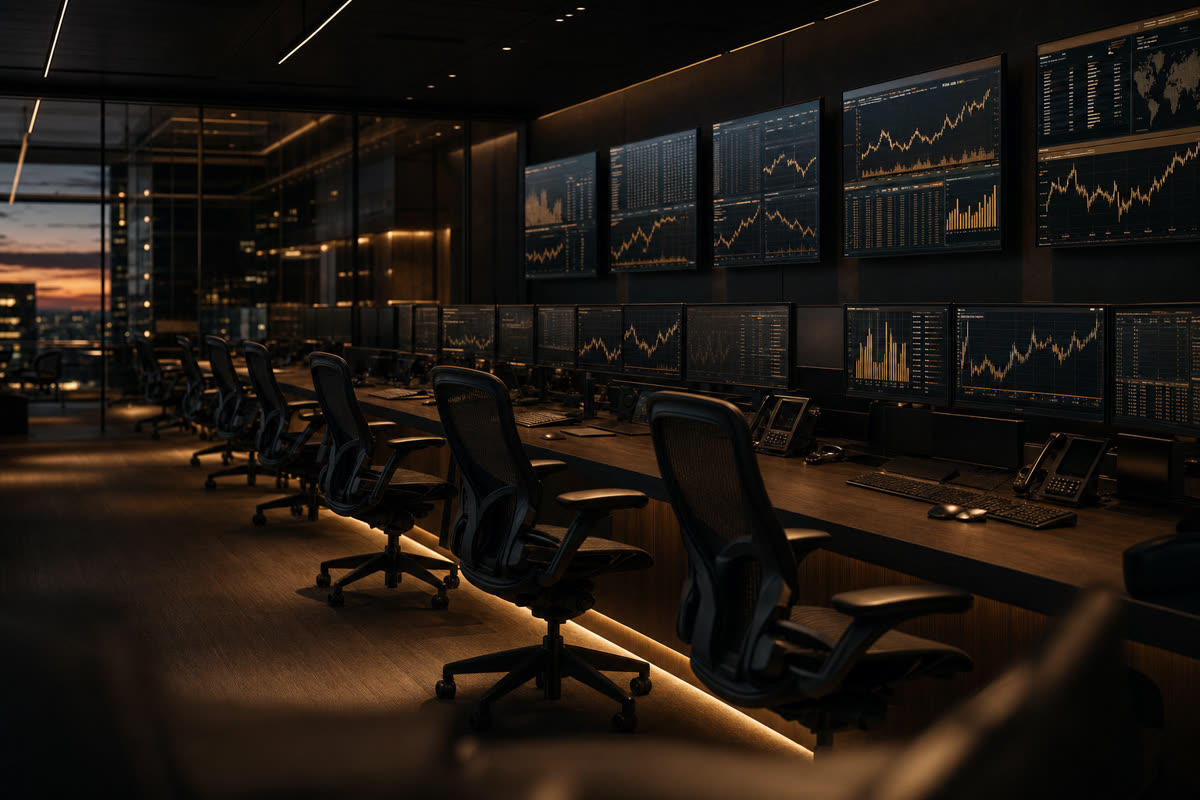
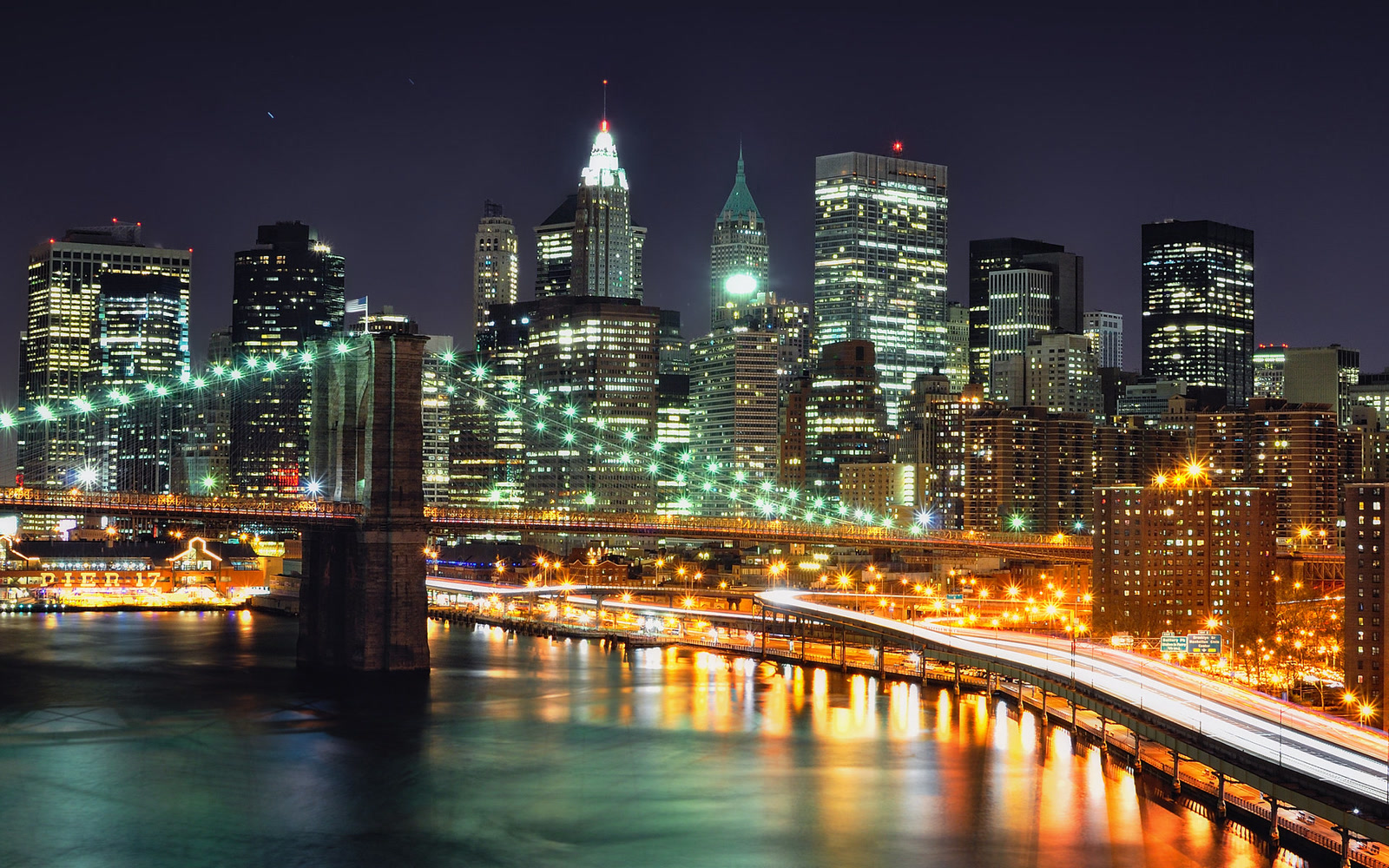
This is a hospitality lighting case study. It describes the actual scope at Time Out Market on 14th St in Manhattan: the Loxone reprogram, the 15-zone redesign, the scene library for every operating mode, the operator-side control with keypads, phone, and iPad, the password-protected scene editor that lets management edit the system themselves, and the documented service relationship that still serves the property today. The hero image at the top of this page is editorial. It is not photography of the actual Time Out Market facility.
For hospitality owners, operators, food hall developers, restaurant groups, and project managers reading this: Restrepo Innovations does hospitality lighting and AV across NJ, NY, and CT. Boutique hotels, country clubs, restaurants, food halls, ballrooms, spas, resort clubhouses. If the room has to work the night it opens and every night after that, call 201.405.2022.
Frequently Asked Questions
How quickly can Restrepo reprogram an existing Loxone lighting system?
The Time Out Market on 14th St reprogram took less than a week from the call to opening night. That is the upper end of what we can do on a hospitality lighting reprogram if the existing system is in place and the dimming infrastructure is sound. Realistic expectation for a comparable food hall or restaurant where we are inheriting a built-out Loxone system: one to three weeks depending on zone count, scene complexity, and operator training requirements.
How many lighting zones did Time Out Market on 14th St end up with?
15 zones. Each zone maps to a real operational area: front entry, main hall, vendor stall clusters, bar, communal table runs, back-of-house circulation, perimeter accent lighting. That is the right granularity for a Manhattan food hall. Enough to give the operator real control, few enough that scene management does not become a programming chore.
Can the operator at Time Out edit lighting scenes themselves?
Yes. The Loxone scene editor at Time Out Market is password-protected and the password is held by the operator. Management can edit existing scenes, build new ones for private events, and adjust intensities without calling Restrepo. That is the right posture for a hospitality client and it is the difference between a system that gets used and one that gets bypassed by staff at the wall switch.
What does the operator use day to day to run the lighting?
Loxone keypads deployed throughout the facility, the Loxone app on a phone, and a house iPad. Three control paths so the floor manager can call a scene from wherever they are working without walking across the room to find a keypad. The keypads carry the most common scene calls. The phone and iPad cover the edge cases.
Who brought Restrepo into the Time Out Market project?
Team Electric, the woman-owned NYC electrical contractor that wires a significant share of high-profile Manhattan and NJ, NY, and CT commercial and residential projects. Team Electric called Restrepo with less than a week to opening because they needed an integrator who could finish the lighting programming under deadline. The same relationship has carried other commercial projects since.
Is Restrepo Loxone-certified?
No. Restrepo Innovations designs, deploys, installs, configures, and supports Loxone systems on hospitality projects without holding a Loxone certification. The discipline that makes a Loxone project succeed is the same discipline that makes a Crestron or Lutron project succeed: correct zoning, scenes that match the way the operator actually runs the room, control surfaces in the right places, and documentation good enough that years later the integrator can recover a password over the phone. The Time Out Market case study is the evidence.
Does Restrepo still service Time Out Market today?
Yes. The most recent service interaction was a password recovery so the operator could set up the system on a new device. We pulled our documentation, recovered the password, supported the operator remotely, and verified the system had not been altered. The whole interaction took moments because every project we deliver is documented at handover.
Related reading: Team Electric Corp.: The Woman-Owned NYC Electrical Contractor Wiring Manhattan's Landmarks; Chatham Asset Management Office: A 12-Year Restrepo Innovations Case Study; Hospitality AV and Lighting Services; Lighting Control.